The Household Economy of the Middle Ages
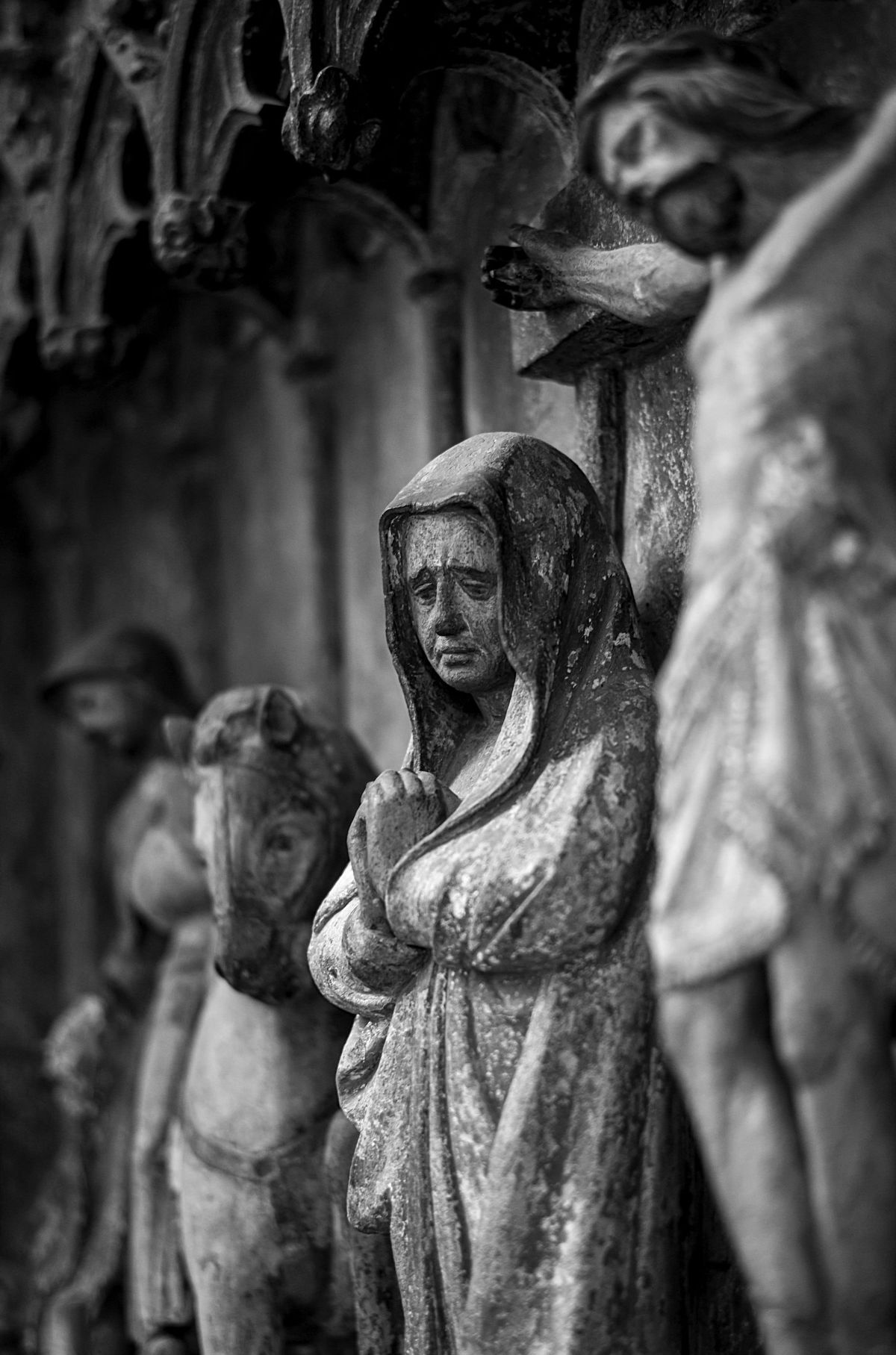
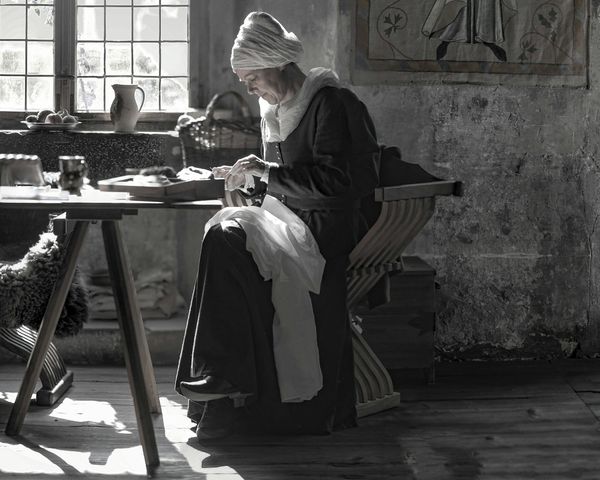
Life for the labouring class during the Middle Ages wasn't about careers or even necessarily a job. It was focused on a constant struggle to survive, which should inspire respect for their resilience, set against the rhythmic yet unyielding progression of the seasons. People had to be opportunistic about what was available in their local environments and relied heavily on the family units they belonged to.
If you were part of the working class in Medieval Europe, then your existence was somewhat predestined. You had very little social or economic mobility, which should evoke empathy for their constrained lives. While labour was the main source of income in medieval society, most people were not wealthy and, if lucky, could maintain their household. What we know about peasant life comes from information recorded by the clergy and ruling classes, so we need to always keep a critical eye on the potential bias of these sources.
We are told that between 80 and 90% of people worked the land in some way, shape, or form. However, the nature of that exact work would be heavily influenced by the area in which you lived. Some areas are naturally better suited to grazing but have poor soil quality, so livestock farming would be preferred, since growing crops might not be viable. If you lived in a marshy area, then your focus might be on fishing or fowl, while those in and around forested land might subsist from cutting wood and hunting game. As individuals were not very geographically mobile, this reliance on local land should evoke an understanding of their limited choices and the hardships of their lot in life.
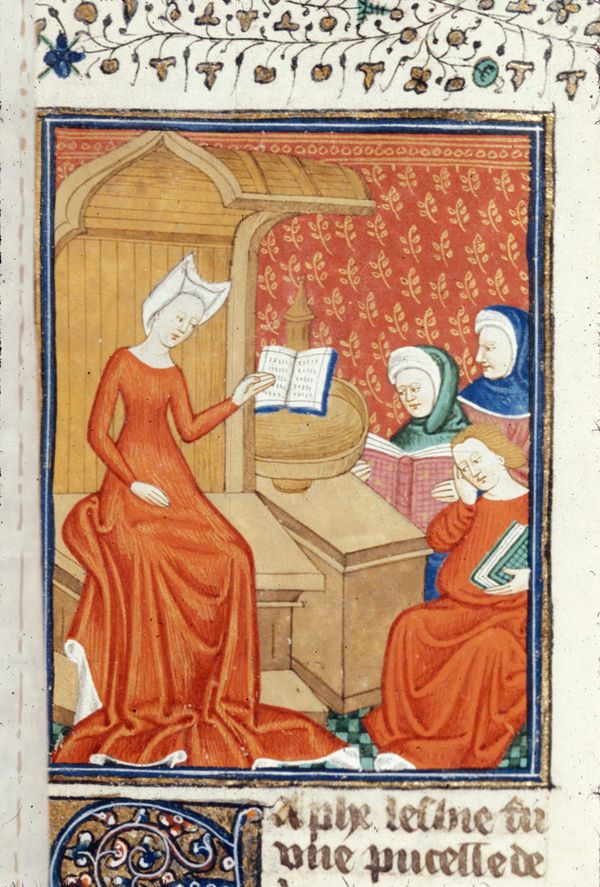
While this agricultural work filled people's lives, they often needed to supplement their incomes with a variety of other work to survive. Some might be lucky enough to be born into a family with craft skills, such as a brewer or a blacksmith, and then they could apprentice with them once they reached a certain age. Because, of course, the real economic unit of the medieval world was the household. Each family member played their part, and all members had to work. The small farm environment depended on individuals doing the age-appropriate work that they were capable of.
As the seasons progressed, so did the nature of the work that needed to be done. In the winter, repairs were made, and families did their best to survive using what they had saved and stored from the previous harvest. Spring was when the hard graft happened. The fields were plowed, and the crops were planted. Summer brought hay and harvest, leading to threshing and the slaughtering of the livestock in the fall. Work hours depended on daylight and had to happen regardless of the weather.
Women carried the burden of domestic labour, and, due to the patriarchal sources of record-keeping at the time, it's no surprise that their contributions to medieval life are underreported. No doubt that the matron of the house would be responsible for keeping the household and raising the children, as well as gardening and milking the animals. As brewing was seen as women's work at the time, they would be responsible for that as well. If goods were being brought to market and sold, then that would fall under their purview as well. Women would have had the heaviest workload in the medieval household, and their contributions are often reflected in their absence from the records.
The individual circumstances of people in the labouring class varied, as some were free tenants, while others were serfs indebted to a lord and paid their dues in labour. These individuals often paid their rent in crops, worked the land, and could be tantamount to a form of economic slavery.
The Black Death was the single biggest cause of change in the world of work. As the population collapsed, communities saw their workforce halved by the disease, leading to increased wages and new opportunities for women and children. However, social hierarchy remained rigid, and governments resisted wage increases, preventing a complete overhaul of social inequality. This highlights how societal structures influenced the extent of change during this period.
People toiled in an unpredictable world with uncertain work, where survival depended on the collective efforts of the households, the fruits of the land, and a lot of luck.
References
Valerie L. Garver. 2020. A Cultural History of Work in the Medieval Age. Bloomsbury Academic. EBSCOhost.