How Medieval Manuscripts Reveal the Lives of Peasants, Workers, and Everyday Labour in the Middle Ages
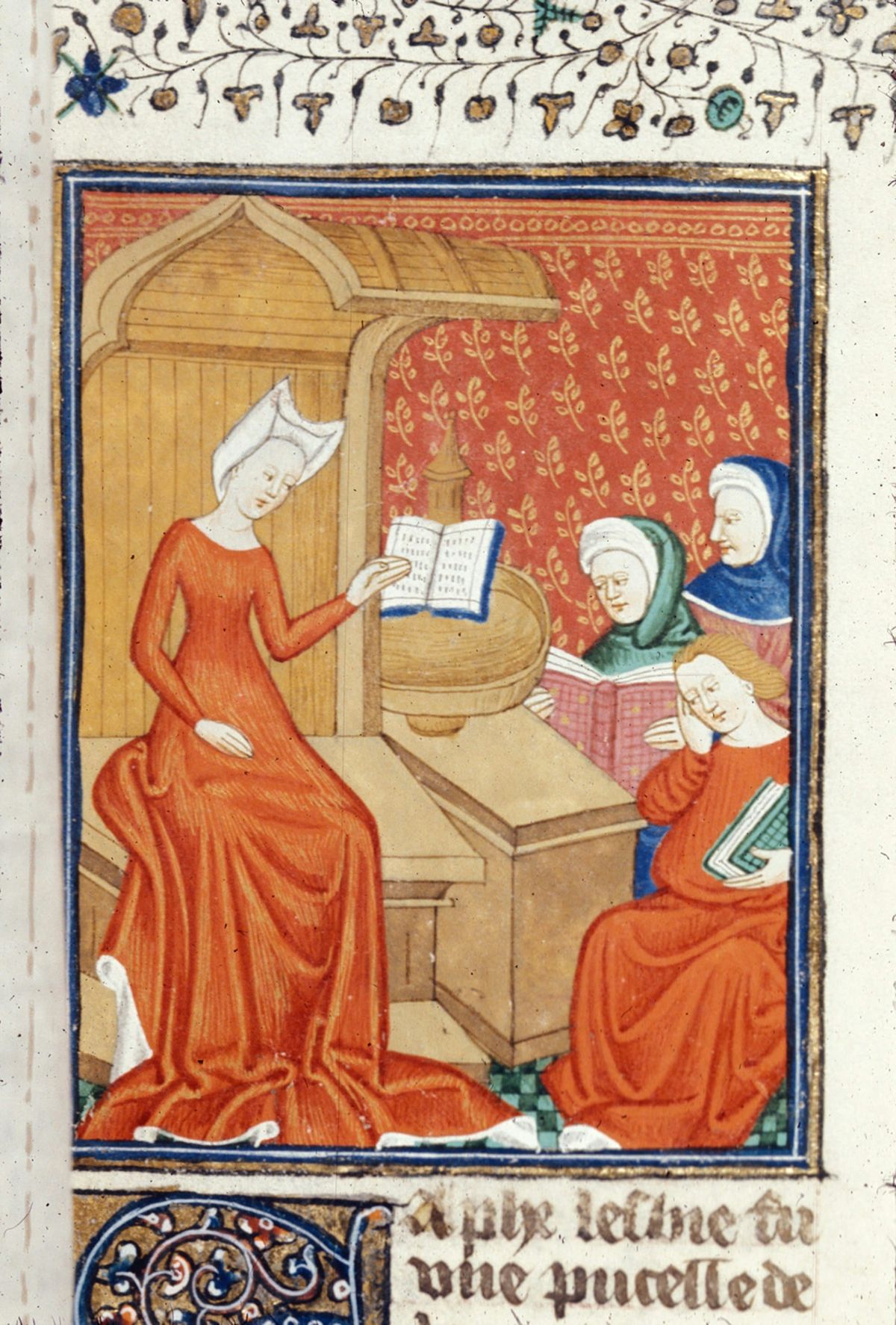
While written records are valuable sources of evidence, the Medieval manuscript offers a highly visual look into the world of work in the Middle Ages. They depict various aspects of working life, such as clothing and tools, as well as the methods workers used. As we discuss the value of these manuscripts, it is worth noting that the works are partly artistic, and the artist's hand can introduce bias and interpretation. Hence, we need to view them with an eye toward what filters the information may have been sifted through, and the idea that what is represented may at times be reality wrapped in widespread belief systems.
Agricultural labour was foundational to society and produced most of the wealth in Medieval Europe. This work was dictated by the seasons and encompassed most labouring-class workers during this period. While this type of work was dominant, it did not mean that other groups and classes didn't have their own work. While the farmers worked the fields, the clergy performed spiritual labour of their own, and scholars engaged in intellectual work. In the late medieval period, we begin to see traders, craftspeople, and artisans included in these visual depictions of society. Everyone worked because idleness was seen as an invitation to laziness and sin. We see this in the manuscripts, where the morally correct, virtuous worker is often depicted alongside images of the lazy, no-gooder.
The working class was clearly depicted, reflecting society's recognition of their vital role. Visuals of the three orders-those who fight, pray, and work-serve to foster respect for the social structure, emphasizing that peasants and labourers were seen as essential to medieval society alongside clergy and nobility, inspiring appreciation for their contributions.
As times changed in the late medieval period, manuscripts began to depict the growth of trades, often devaluing women's contributions. While women remained central to household survival, societal views shifted, and their work was increasingly undervalued. This change highlights the need to recognize gender biases that limited women's mobility and societal roles during this era, fostering awareness and reflection.
Why do the manuscripts matter? Well, they themselves are products of medieval works, as their creation was seen as both labour and a spiritual service. Copying texts took a skilled hand and often years of work. The scribes and craftsmen who worked on them often complained of pain and fatigue. These images also help us understand how medieval people themselves understood work as central to their identities, wrapped up in class, gender, and duty. Through careful interpretation, we can see a depth of symbolism in the manuscripts and an important reminder that most of history was built by the workers.
References
Valerie L. Garver. 2020. A Cultural History of Work in the Medieval Age. Bloomsbury Academic. EBSCOhost.