How Medieval Peasants Were Judged, Controlled, and Misunderstood
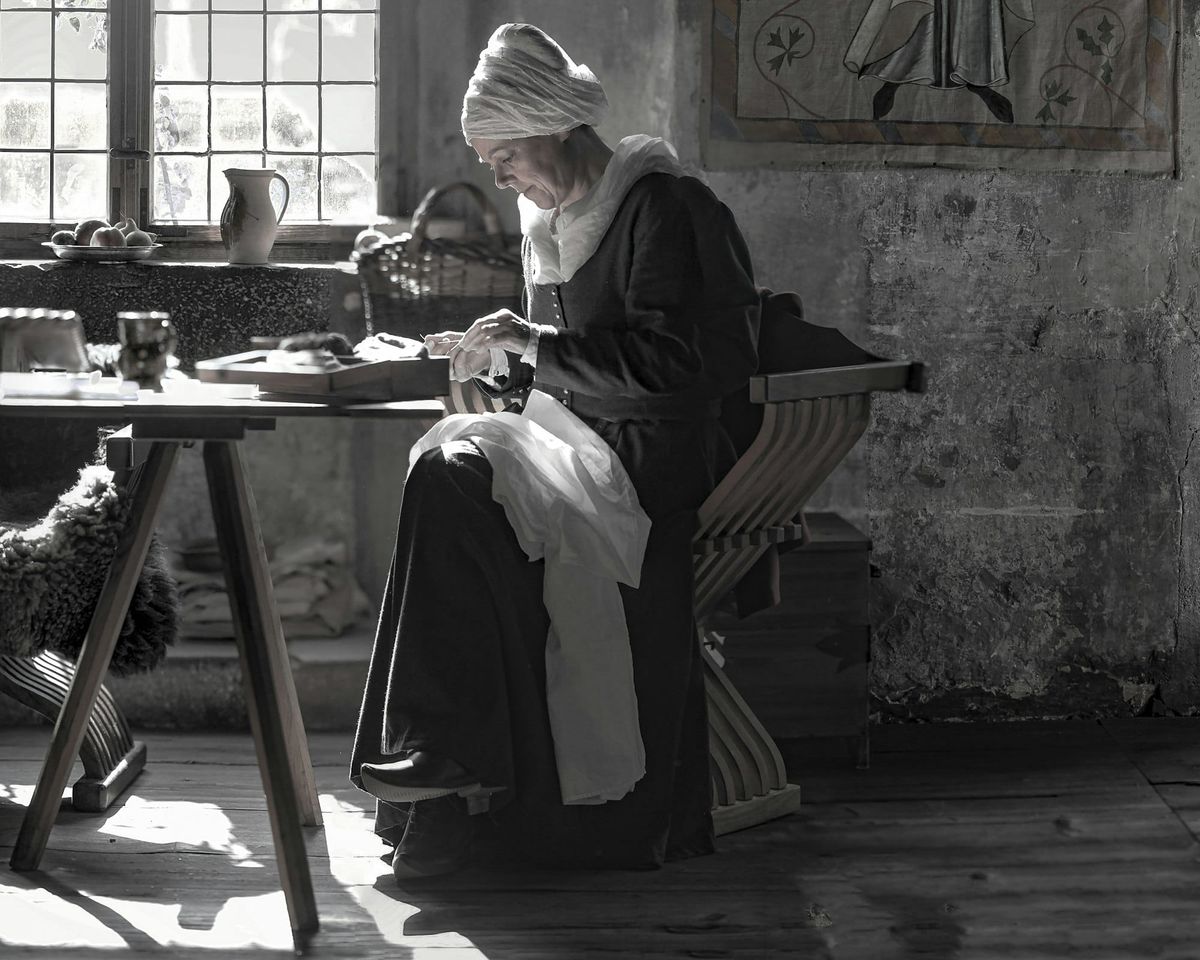
Would you be surprised to learn that the lives of European medieval peasants were difficult? Beyond back-breaking labour and a lack of agency, they faced societal judgment and constraints that shaped their daily lives. In the stratified yet tightly controlled medieval world, the working class bore social burdens that often left them feeling misunderstood and judged, seen through dual lenses as both the paragon of hard work and an example of laziness, physically and morally.
The church’s influence permeated every aspect of medieval life. For peasants, hard work was more than a means of survival; it was a moral duty. Labour was regarded as virtuous and divinely sanctioned, making the peasantry morally obliged to work hard, crushing their bodies but purifying their souls.
In the absence of hard work, danger was seen. Ruling classes were rightly concerned about the potential consequences of idleness, which was viewed as sinful and socially disruptive. The fear was that idle gatherings, like in a pub over a couple of pints, could spark social movements or revolutions, something the authorities wanted to prevent to maintain control.
In this analogue era, controlling the message happened through art and literature, and with the clergy and nobility shaping societal narratives, they reinforced many useful stereotypes about the working class. They aimed to reinforce a rigid social hierarchy, so peasants were often depicted as simple rural folk lacking refinement. A people whose work was attached to religious virtues like obedience and duty.
Not surprisingly this asociationss with the lower classes relationship with morality continued far past the middle ages as victems of the black death in the the 14th century were deipted as low of moral character as others illness that ravaged the poor were atributed of theor godliness, morality again comes in to play in the Victorian era when the peasant classes poverty is is directly attributed to the lack of character and moral centres.
It was important to the ruling class to constantly control and undermine the peasants’ image, and it could be disastrous if the truth were widely known. This group, the backbone of the economy, may have held far more potential power than they ever knew.
What is true is that these workers have lived in a world largely dominated by agricultural labour, with an existence that still changed with the seasons. People living closer to nature and the laws of the land, and some of the last to conform to the creation of the modern Western world.
References
Alexander, Jonathon. 1990. “Labeur and Paresse: Ideological Representations of Medieval Peasant Labor.” Art Bulletin 72 (3): 436–52. https://doi-org.ezproxy.hollandcollege.com/10.2307/3045750.